Wyatt's Recipe: Spaghetti Carbonara
Recipe Link
Feedback Document
Description
This dish is a deli bacon-egg-and-cheese-on-a-roll that has been pasta-fied, fancified, fetishized and turned into an Italian tradition that, like many inviolate Italian traditions, is actually far less old than the Mayflower. Because America may have contributed to its creation, carbonara is Exhibit A in the back-and-forth between Italy and the United States when it comes to food. Remember: the main goal is creaminess.
Ingredients
Serving Size: 4 Portions, Ready In: 30 min
Tags: Bacon, Boil, Cheese, Dinner, Easy, Egg, Five Ingredient, Italian, Main Course, Pancetta, Pastas, Quick, Saute, Spaghetti
2 large eggs and 2 large yolks, room temperature
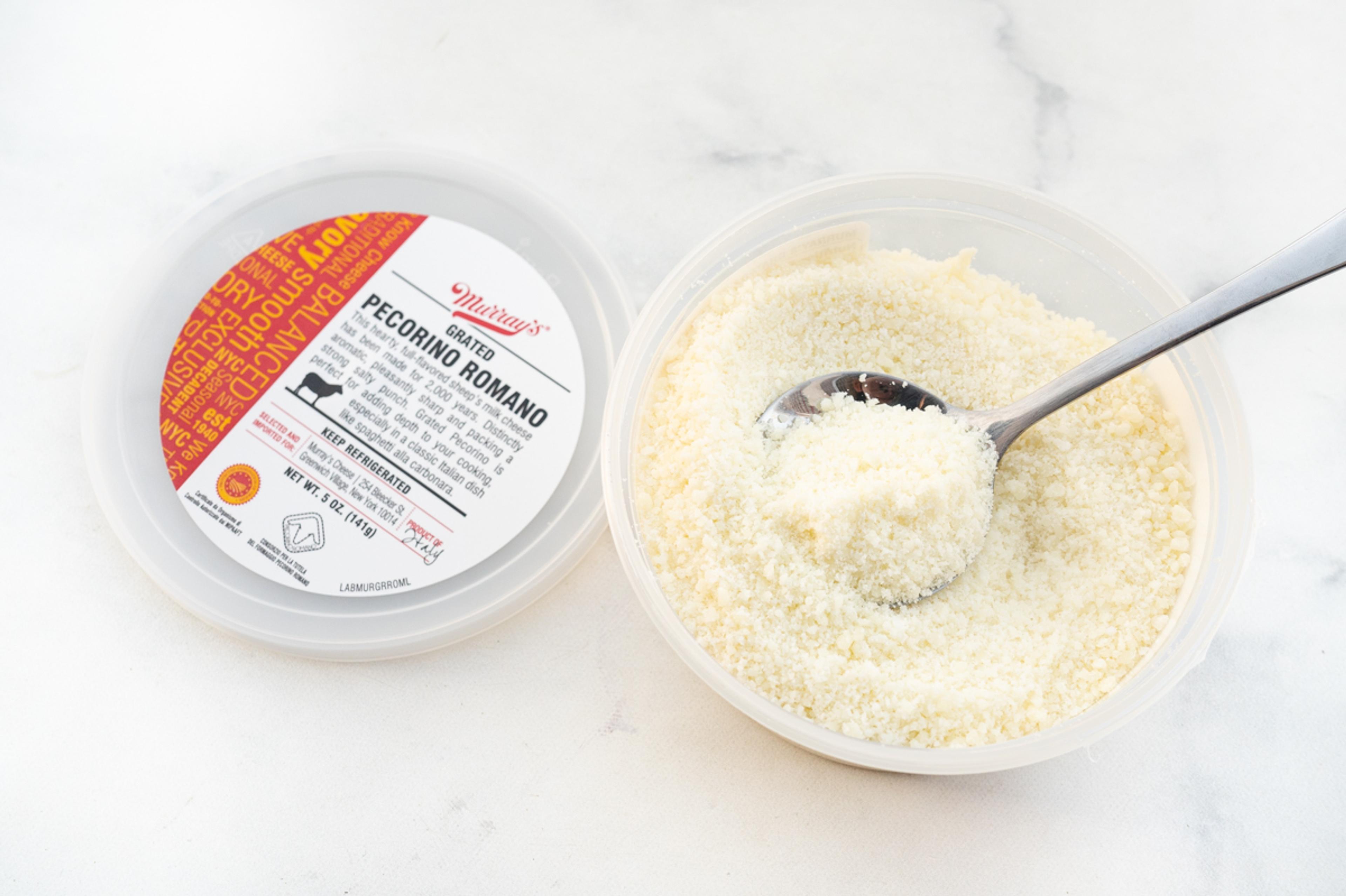
1 ounce (about ⅓ packed cup) grated pecorino Romano, plus additional for serving
1 ounce (about ⅓ packed cup) grated Parmesan
Coarsely ground black pepper
3 ½ ounces of slab guanciale (see recipe), pancetta or bacon, sliced into pieces about ¼ inch thick by 1⅓ inch square
12 ounces spaghetti (about ¾ box)
Instructions
Place a large pot of lightly salted water (no more than 1 tablespoon salt) over high heat, and bring to a boil. Fill a large bowl with hot water (to warm the bowl for serving), and set aside.
In a mixing bowl, whisk together the eggs, yolks and pecorino and Parmesan. Season with a pinch of salt and generous black pepper.
Set the water to boil. Meanwhile, heat oil in a large skillet over medium heat, add the pork, and sauté until the fat just renders, on the edge of crispness but not hard. Remove from heat and set aside.
Add pasta to the water and boil until a bit firmer than al dente. Just before pasta is ready, reheat guanciale in skillet, if needed. Reserve 1 cup of pasta water, then drain pasta and add to the skillet over low heat. Stir for a minute or so.
Empty serving bowl of hot water. Dry it and add hot pasta mixture. Stir in cheese mixture, adding some reserved pasta water if needed for creaminess. Serve immediately, dressing it with a bit of additional grated pecorino and pepper.
FAQ
Why does the temperature matter so much for spaghetti carbonara?
If cold eggs are added to hot pasta, they can overheat and scramble, breaking into small pieces, rather than emulsifying and creating a creamy sauce. It is important to use room temperature eggs and to remove the pasta from the heat before stirring with the sauce in order for the sauce to turn creamy rather than curdled. (Some recipes use a splash of heavy cream as well, which helps ensure a silky sauce.)
Reheating Instructions
This is a dish that is best enjoyed as soon as it is made, when its sauce is at its satiny best. After the sauce sits, it can thicken and clump. If you’d like to reheat it, you can moisten it with a little bit of water or heavy cream before reheating.
Recipe Websites
Bonappetit: This Webiste is borderline unuseable without the subscription as the ads and paywalls make it really hard to see anything thats going on. But onec you pay up, the cite works quite well in terms of having a short description and then diving into instructions and ingedients and having them sit side by side, rather than above one anotehr, which makes it much easier to cross reference when cooking.
Epicurious: What I think makes this website stand out is that it has a really good recipe sorting systen where each recipe has a set of tags based on it's attributes and then the user can easily osrt by time contraints or ingredients. This makes it mich easier to find soemthing you can make with what you have rather than finding a good recipe that you don't have the ingredients for.
NYT Cooking: Similarly to the Bonappetit website this one makes good use of the two column system where you can cross reference intructions and ingrediants easily. It's layout is much more clear than Bonappetit though, using good typographic moves and divider bars to divide sections. It presents as both easier to read and has a much less cramped feel to the page.
Other Reference Websites
Displaay: I really enjoy the uneven grid of this page, it makes it feel a little less controlled and corporate but keeps the information visisble still. I also think the interaction when you hover over a typeface is a really fun touch that makes me want to keep scrolling through their library.
Pangrampangram: This foundry adheres very strictly to the grid in their web design, but does a nice job breaking information down into seperate blocks that make it easy to distiguish ifnormation clsuters.
It's Nice That: I think the two bar scroll on the article on It's Nice That works really well to dispaly different levels of information. Keeping one stagnent on the right and one moving on the left could be a useful trait for a longer recipe where the ingredients stay visible while you scroll the intructions.